
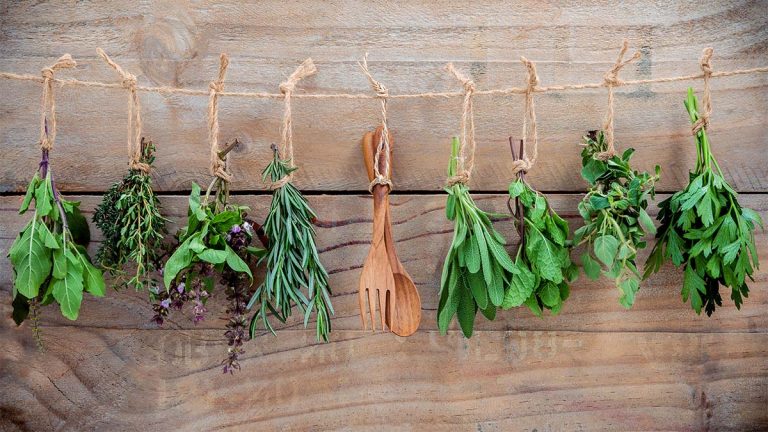
Not everyone has a sprawling kitchen garden, and the wonderful thing about herbs is that they don’t need one. Whether you’re working with a full allotment, a small patio, or just a sunny windowsill, spring is the ideal time to set up your herb-growing space. Let’s look at the options.
Growing in Containers
Container growing is arguably the most popular method for herbs in the UK, and for good reason. It’s flexible, tidy, and allows you to move plants to follow the sun — or bring them indoors if a late frost threatens.
What to use: Terracotta pots are beautiful and breathable, making them ideal for drought-tolerant herbs like rosemary, thyme, and oregano. Plastic pots retain moisture longer and suit moisture-loving herbs such as mint, chervil, and parsley.
Key advice: Always ensure containers have adequate drainage holes. A layer of crocks or gravel at the base helps prevent waterlogging, which is the number one killer of potted herbs.
Herb combinations that work well together in one pot:
- Thyme, oregano & sage (all Mediterranean, drought-tolerant)
- Parsley, chives & chervil (all prefer more moisture)
- Mint on its own — it will bully everything else!
Raised Beds
A raised bed is a brilliant investment for any serious herb grower. It warms up faster than ground-level soil in spring, offers excellent drainage, and makes weeding and harvesting far more comfortable on the back.
Fill your raised bed with a mix of good-quality topsoil and horticultural grit (roughly 70/30) for most Mediterranean herbs. For a mixed bed that includes leafy herbs like parsley and chervil, add more compost to retain some moisture.
In-Ground Planting
Some herbs thrive when planted directly into the ground and left largely to their own devices. Established clumps of chives, lovage, tarragon, and fennel can become magnificent, long-lived plants that come back reliably every spring.
When planting in-ground, choose a spot that gets at least six hours of sun per day and improve the drainage if your soil is heavy clay.
The Indoor Windowsill
For those without outdoor space, a south-facing windowsill can sustain a surprising number of herbs through spring and summer. Basil, coriander, chives, and parsley all grow happily indoors. Rotate pots every few days to ensure even growth and water from the base rather than overhead to avoid fungal issues.
However you choose to grow, the key is matching the herb to its environment. Get that right, and your spring herb garden will flourish no matter how much — or how little — space you have.